




How We Blend Traditional and Modern Flavors at Roohani Lasani
If you’re a food lover or enjoy trying new dishes, you know there’s something magical about how certain meals burst with flavor
LOCATION
Roohani-Lasani
SUN 9AM - 7PM
MON-SAT 9AM - 8PM
As food lovers and conscious consumers, many of us are beginning to think about more than just flavor when we eat. We ask questions like, "Where does my food come from?" and "How does it affect the planet?" These types of questions have led to the rise of organic dishes—and for good reason. Organic food isn't just a trend; it's becoming a lifestyle choice for many people who care about their health and the environment. Organic dishes may be the future of sustainable eating.
So, why are organic dishes so crucial to sustainability, and why should they matter to you as a food lover?
Let's dive in.
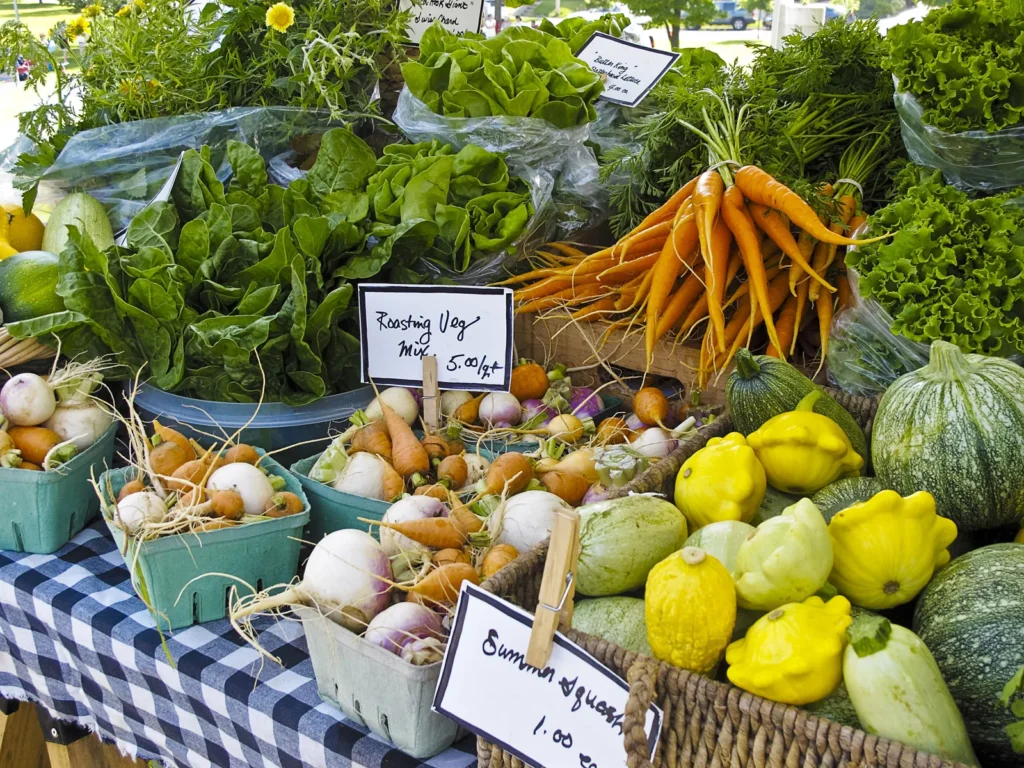
Before we discuss sustainability, let's define "organic." Organic food is grown and processed without synthetic fertilizers, pesticides, or genetically modified organisms (GMOs). Organic farming practices emphasize the health of the soil, water, and ecosystems involved in food production. This means that organic farmers rely on natural methods to control pests, fertilize crops, and manage weeds.
When you choose organic dishes, you're choosing food that is better for your body and the planet. And that's where sustainability comes in.
One of the cornerstones of sustainable eating is preserving the health of the soil. After all, healthy soil is essential for growing food, not just today but for future generations. Organic farming practices focus on maintaining and improving soil health through natural methods like crop rotation, composting, and using cover crops.
In conventional farming, chemical fertilizers can degrade the soil over time, stripping it of its nutrients and making it harder to grow food. This leads to a cycle of dependency on more and more chemicals. Organic farming breaks that cycle by nurturing the soil with organic matter, which helps it retain water, promote biodiversity, and reduce erosion risk. When we enjoy organic dishes, we indirectly support farming methods prioritizing long-term soil health—an essential aspect of sustainability.
Another primary reason organic dishes are a sustainable choice is that they reduce the use of harmful chemicals. Conventional farming often relies on synthetic pesticides and herbicides to keep pests and weeds at bay. While this might make growing large amounts of food more accessible, these chemicals harm our environment.
Pesticides can run into nearby water sources, contaminating rivers, lakes, and even our drinking water. They also harm wildlife, including essential pollinators like bees and butterflies, which are crucial for growing many foods. Organic farming, by contrast, uses natural pest control methods, like introducing beneficial insects or using organic-approved substances. This reduces the chemical burden on our ecosystems and helps maintain a healthier natural balance.By choosing organic dishes, you're helping to reduce the demand for foods grown with harmful chemicals. It's a small choice that has a big impact on the environment.
When we talk about sustainability, we must remember biodiversity. Healthy ecosystems depend on various plant and animal species to function correctly. However, conventional farming practices, such as monocropping (growing large areas of just one type of crop), can reduce biodiversity by creating environments that are less hospitable to wildlife.
Organic farming, on the other hand, tends to be more diverse. Organic farmers often grow a wider variety of crops, which helps support biodiversity both above and below the soil. These farms are more likely to encourage wildlife habitats, use crop rotation to prevent soil depletion, and plant hedgerows to support pollinators and other beneficial animals.
When you eat organic dishes, you're not just enjoying a delicious meal—you're supporting farming methods that help maintain the biodiversity our ecosystems rely on.
If you're someone who cares about the treatment of animals, choosing organic dishes can also align with your values. Organic livestock farming follows strict standards for animal welfare. Animals raised on organic farms must have access to the outdoors and are fed organic feed free from antibiotics and growth hormones.
This creates a more humane environment for the animals and leads to healthier, more nutritious meat and dairy products for consumers. Organic livestock practices are not just better for the animals—they're also more sustainable. Healthy, well-treated animals are less likely to need antibiotics, which helps prevent the development of antibiotic-resistant bacteria, a growing public health concern.
One of the biggest challenges of our time is climate change, and how we eat plays a significant role in this global issue. Conventional farming methods, especially industrial agriculture, contribute to climate change by releasing greenhouse gases. The use of synthetic fertilizers, large-scale animal farming, and the transportation of non-local food all add to our carbon footprint.
Organic farming, by comparison, can be part of the solution. Organic farms use fewer fossil fuels, sequester more carbon in the soil, and often prioritize local food systems, reducing the need for long-distance transportation. Organic agriculture also tends to be more energy-efficient because it doesn't rely on synthetic inputs.
By choosing organic dishes, you make a small but meaningful choice to help reduce your carbon footprint and contribute to a more sustainable food system.
Lastly, mentioning the health benefits of eating organic dishes is essential. Organic foods are often more nutrient-dense than their conventionally grown counterparts. Since organic farming avoids synthetic chemicals and focuses on soil health, the resulting produce can prosper more in vitamins, minerals, and antioxidants. When you eat organic dishes, you're choosing a sustainable option for the planet and nourishing your body with high-quality, wholesome ingredients.
As more people become aware of their food choices' environmental and health impacts, organic dishes are becoming a go-to option for sustainability-minded consumers. Organic farming promotes long-term soil health, reduces harmful chemicals, supports biodiversity, and helps combat climate change—all while providing healthier, more delicious food for you and your family.
In a world where our food choices directly impact the environment, organic dishes are more than just a trend—they're the future of sustainable eating.
So, the next time you dine at a restaurant or cook at home, consider choosing organic dishes. Not only will you enjoy great flavors, but you'll also be positively impacting the planet. And that's something we can all feel good about.
If you’re a food lover or enjoy trying new dishes, you know there’s something magical about how certain meals burst with flavor

If you’re a food lover or enjoy trying new dishes, you know there’s something magical about how certain meals burst with flavor

If you’re a food lover or enjoy trying new dishes, you know there’s something magical about how certain meals burst with flavor.

 Lucy says:
Morbi ultrices consequat viverra. Nullam leo felis, dignissim vitae blandit pharetra, volutpat ut leo. In iaculis lacus vel porta vestibulum. Pellentesque ac est iaculis, tincidunt sem nec, auctor lacus. Maecenas enim arcu, facilisis ut mauris vitae, efficitur consequat dui.
Explore the finest selection of meats, groceries, and delicious dishes at Roohani Lasani. Whether you're shopping for essentials, dining at our restaurant, or planning your next event with our catering services, we’re here to serve you with quality and care.





Fusce urna augue, volutpat quis pharetra nec, fringilla a enim. Etiam dapibus accumsan libero vehicula vestibulum. Nunc justo augue, vehicula vel mauris id, blandit laoreet urna. Integer placerat euismod lorem vitae viverra. Sed cursus est justo, quis consequat est lacinia id. Praesent semper pulvinar sollicitudin.